The History of Muiderslot Castle
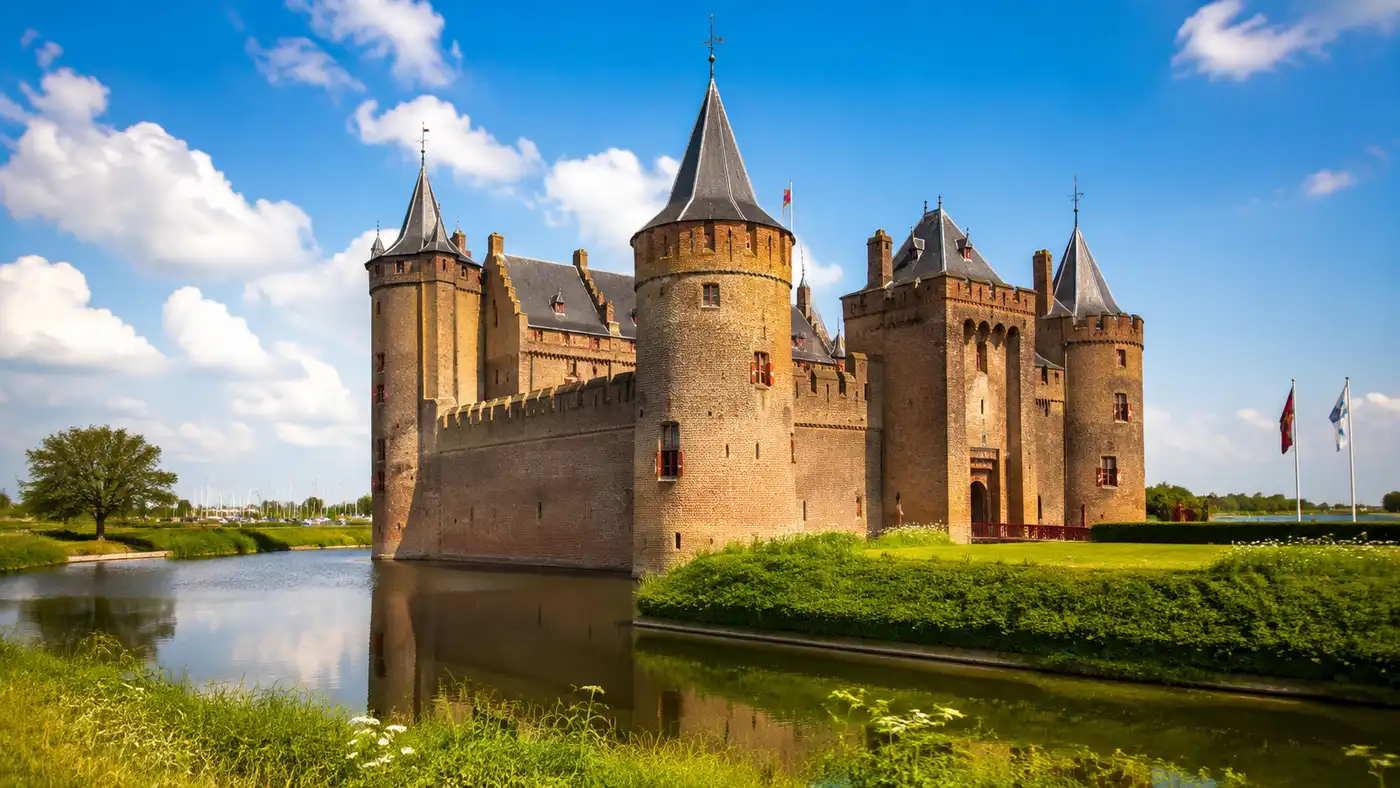
Standing sentinel at the mouth of the Vecht river, Muiderslot Castle often feels like a storybook come to life. Its turrets and moats whisper tales of knights, poets, and political intrigue, making the muiderslot castle history a truly captivating journey through Dutch heritage. If you’ve ever wondered about the layers of life lived within those ancient walls, you’re in for a treat.
This isn't just a dry recitation of dates, I promise. We're going to dive into the personalities, the dramatic events, and the sheer resilience that shaped this iconic fortress. From its fiery beginnings to its current role as a national museum, we'll explore how Muiderslot transformed over the centuries, reflecting the broader currents of Dutch history. Honestly, it's more exciting than any old muiderslot castle wikipedia entry could ever be.
Book your Muiderslot Castle experience:
The Formative Years: A Stronghold Rises
The story of Muiderslot begins with Floris V, the powerful Count of Holland. He ordered its construction around 1285, which was a pretty ambitious undertaking for the time. This wasn't some quaint country manor; it was a serious defensive structure, strategically placed where the Vecht met the Zuiderzee, controlling trade routes to Utrecht and Amsterdam.
Floris V was a shrewd ruler, known for expanding his territories and for his rather turbulent relationship with the nobility. His reign ended dramatically, almost too dramatically for a history book, in 1296. He was kidnapped by disgruntled nobles, and during an escape attempt, he was murdered near the castle itself. That’s quite the start for any building, right?
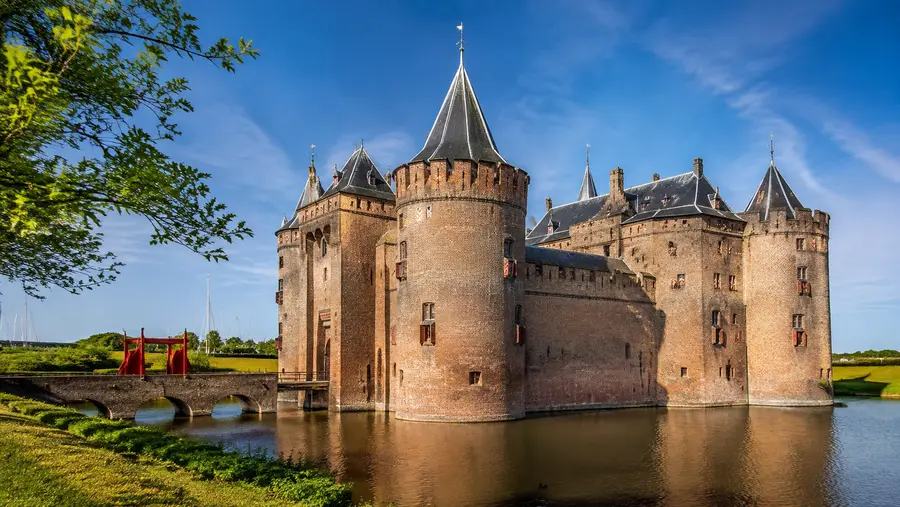
Following Floris’s death, the castle was promptly destroyed, maybe around 1297, by the Bishop of Utrecht, Willem van Mechelen. It lay in ruins for a good 70-ish years. Imagine that - built, destroyed, and left to rot, all within a generation. It wasn't until the late 14th century, specifically around 1370, that the County of Holland decided to rebuild it, using the original foundations and design. This second iteration is largely what we see standing today.
Life During the Golden Age: The Muiderkring
The 17th century brought a completely different chapter to Muiderslot. The Dutch Golden Age wasn't just about trade and art in the cities; it also saw a flowering of culture in places like this castle. P.C. Hooft, a renowned poet, playwright, and historian, became the Drost (bailiff) of Muiden and resided here from 1609 until his death in 1647.
Hooft turned Muiderslot into a vibrant intellectual and artistic hub. He gathered around him some of the most prominent Dutch artists, writers, and scientists of the era. This group, known as the "Muiderkring" or Muiden Circle, would meet regularly at the castle. They discussed philosophy, literature, and science, often enjoying the castle’s gardens and the surrounding natural beauty. It must have been an incredible atmosphere, filled with lively debate and creative energy.
Pro tip: When you visit, try to imagine these famous figures walking the same halls. The castle interiors, especially Hooft's study, really bring this period to life. You can learn more about what you can actually see inside by checking out our guide to What to See Inside Muiderslot Castle.
Members of the Muiderkring included figures like Joost van den Vondel, the great Dutch poet, and Maria Tesselschade Visscher, a talented poet and glass engraver. They would stay for days, sometimes weeks, composing poetry, playing music, and engaging in stimulating conversation. It’s a far cry from its original, purely defensive purpose, showcasing the castle's remarkable adaptability.
Decline and the Fight for Preservation
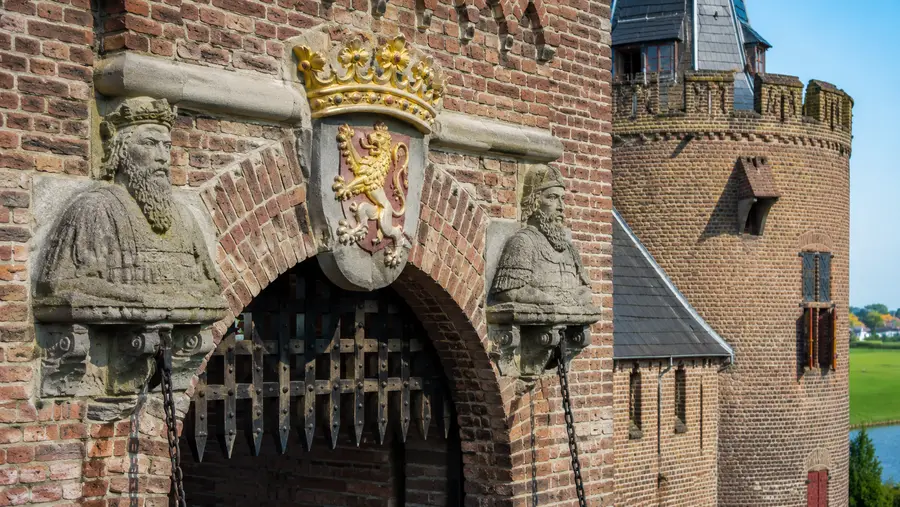
After the Golden Age, Muiderslot's fortunes began to wane. It lost its strategic importance as the Netherlands developed new defensive lines. The 18th century saw it used primarily as a prison, and by the 19th century, it had fallen into serious disrepair. Imagine a grand castle slowly crumbling, its once vibrant rooms now dark and damp. It's a sad thought, honestly.
The French occupation, which ended in 1813, left the castle in an even worse state. It was eventually put up for sale by the Dutch government in 1825, with the intention of demolishing it for building materials. The asking price was a meager 16,000 guilders. Can you believe it? This incredible piece of history, almost reduced to rubble for a relatively small sum.
Note: This near-demolition wasn't unique to Muiderslot. Many historic buildings in Europe faced similar fates during periods of neglect or economic hardship. Luckily, Muiderslot had champions.
A wave of public outcry and a national fundraising campaign, led by historian and architect Victor de Stuers, saved the castle from this ignominious end. De Stuers was a passionate advocate for preserving Dutch heritage, and his efforts were instrumental. The Dutch state reacquired it in 1878, recognizing its immense historical value. This marked a turning point, signaling a renewed appreciation for the nation's past.
Book your Muiderslot Castle experience:
The Great Restoration and Museum Life
The late 19th and early 20th centuries were all about bringing Muiderslot back from the brink. The restoration efforts were extensive, aiming to return the castle to its 17th-century appearance, particularly during P.C. Hooft's time. This wasn't a quick fix; it took decades of meticulous work, starting around 1895 and continuing well into the 1900s. Craftsmen painstakingly rebuilt towers, repaired walls, and restored the interiors, trying to recreate the atmosphere of its Golden Age.
In 1895, the Rijksmuseum took over the management, and Muiderslot officially opened as a national museum. It became one of the first state museums in the Netherlands dedicated to medieval history and the Golden Age. This transformation allowed the public to experience the castle firsthand, stepping back in time to explore its rich past.
Today, Muiderslot is a living museum, constantly evolving. It offers interactive exhibits, historical re-enactments, and educational programs for all ages. Walking through its rooms, you can see period furniture, weaponry, and art, getting a real sense of what life was like within its walls centuries ago. It’s a fantastic example of how a historic site can remain relevant and engaging in the modern world.
Enduring Legacy and Muiderslot Castle Wiki Insights
The muiderslot castle history isn't just a local tale; it’s an integral part of Dutch national identity. It represents the country's medieval roots, its cultural zenith during the Golden Age, and its commitment to preserving its past for future generations. For anyone interested in European castles, it's a must-see. The castle's story, from its initial strategic purpose to its role as a cultural beacon, is a testament to its enduring significance.
When you look up Muiderslot Castle on a quick search, maybe a "muiderslot castle wiki" page, you'll find the basic facts, but nothing truly captures the feeling of being there. It’s more than just dates and names; it’s the echo of footsteps on stone, the chill in the dungeon, the sunlight streaming into Hooft’s study. The sheer resilience of this place, surviving centuries of conflict, neglect, and political shifts, is genuinely inspiring.
This castle is a tangible link to the past, a place where history isn't just read about, but felt. It stands as a symbol of architectural endurance and cultural revival. If you’re planning a trip to the Netherlands, I highly recommend dedicating a day to explore it. It's a short trip from Amsterdam, and honestly, you won't regret it. For more detailed information on visiting this incredible site, including practical tips and insights, be sure to explore our main muiderslot castle history resource page.
Frequently Asked Questions about muiderslot castle history
Who built Muiderslot Castle?
Muiderslot Castle was originally built by Count Floris V of Holland around 1285. After its initial destruction, it was rebuilt on the same foundations in the late 14th century.
When did Muiderslot Castle become a museum?
The castle officially opened as a national museum in 1895, following extensive restoration efforts that began in the late 19th century.
What was the Muiderkring?
The Muiderkring was a famous circle of Dutch artists, writers, and scientists who gathered at Muiderslot Castle during the 17th century, hosted by its then-resident, the poet P.C. Hooft.
Quick Reference
- Built: circa 1285 by Floris V
- Rebuilt: circa 1370
- Golden Age resident: P.C. Hooft
- Saved from demolition: 19th century
- Opened as museum: 1895
Book your Muiderslot Castle experience:
My Take: Visiting Muiderslot
Visiting Muiderslot is more than just a day trip; it’s an immersive experience into centuries of Dutch life. You get to walk through rooms where poets debated, stand in a courtyard where knights once trained, and gaze out over the water just as medieval lords and Golden Age intellectuals did. The castle really does a fantastic job of bringing its past to life, making it accessible and engaging for everyone.
I think the best part is how tangible the history feels. It's not just a collection of artifacts; it's a place that has genuinely lived through so much. Whether you're a history buff or just looking for a unique outing near Amsterdam, Muiderslot offers a rich, rewarding dive into the Dutch story. Don't skip it; it's truly worth the effort to get there and explore.
Read more about Muiderslot Castle.